

Introduction: Why the Associate Operations Engineer Role Matters
The Associate Operations Engineer plays a vital role in keeping enterprise healthcare and insurance platforms running reliably. Working closely with customers and internal engineering teams, this role ensures successful installation, configuration, upgrades, troubleshooting, and operational management of Encounter Management (EM) and Enrollment Management (ENR) applications.
In today’s environment—where uptime, data accuracy, and customer satisfaction are non-negotiable—operations engineers are no longer just “support.” They are strategic enablers of product adoption and performance.
Role Snapshot: Associate Operations Engineer (Remote – India)
| Category | Details |
|---|---|
| Job Title | Associate Operations Engineer |
| Location | Remote (India) |
| Category | Engineering / IT |
| Education Required | Bachelor’s in Computer Science |
| Shift Model | Rotational shifts + weekend on-call (as needed) |
| Primary Focus | EM / ENR enterprise application operations |
This role primarily supports enterprise customers, ensuring that both hosted and customer-hosted application instances perform optimally.
Core Responsibilities Explained

4
1. End-to-End Application Operations
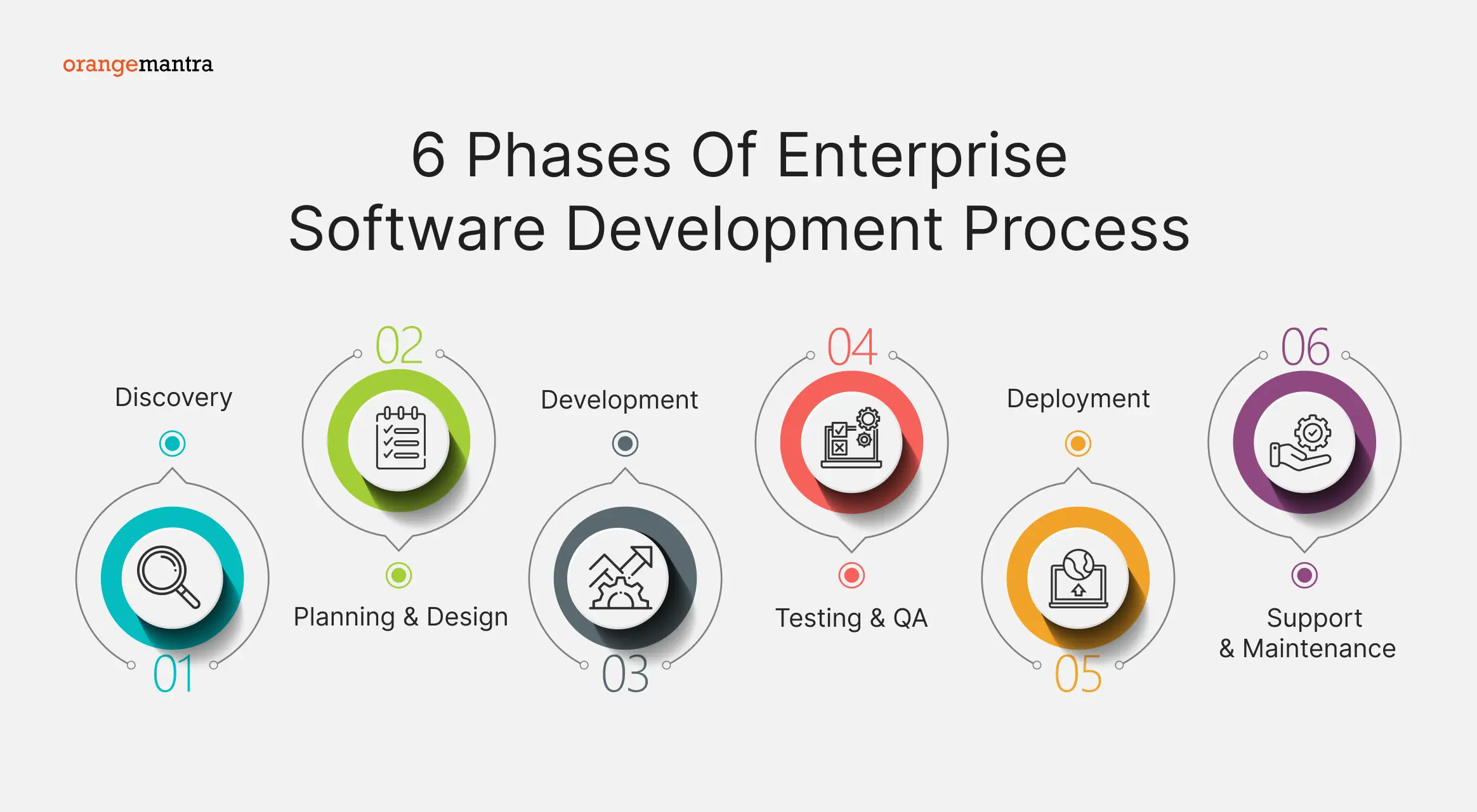
Associate Operations Engineers manage the complete lifecycle of EM and ENR application instances, including:
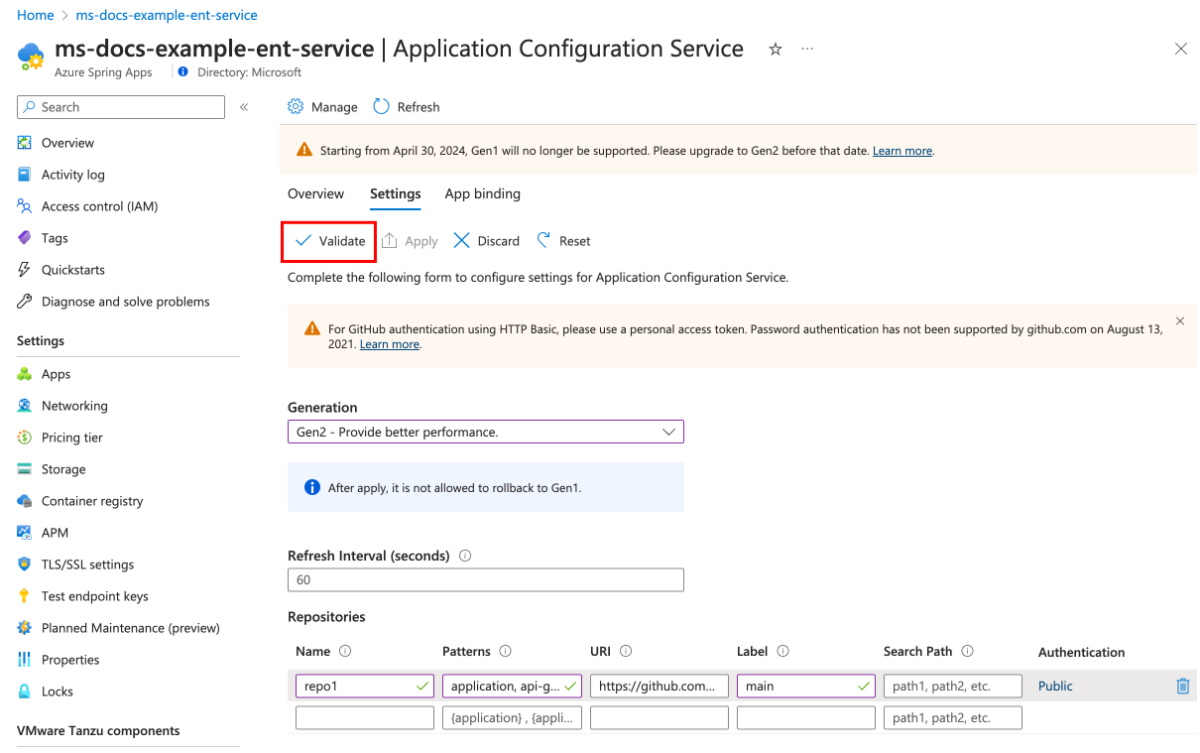
- Deploying product upgrades
- Making configuration changes
- Managing day-to-day submission operations
- Ensuring new and upgraded server installations are successful
This hands-on exposure gives engineers a deep understanding of real production environments.
2. Enterprise Client Technical Support
You’ll serve as a technical point of contact for enterprise clients, helping them with:
- Application-related issues
- Operational disruptions
- Performance concerns
The goal isn’t just fixing issues—but delivering a consistent, responsive, and satisfying customer experience every time.
3. Collaboration with Engineering Teams
This role involves close coordination with:
- Development teams
- Sustaining Engineering
- Sales Engineering
- Product Support Engineers
You’ll help triage bugs, provide UAT feedback, and ensure fixes are properly validated before release.
4. Performance Monitoring & Troubleshooting
A major part of the job is analyzing application and database performance, including:
- Identifying bottlenecks
- Proposing fixes or workarounds
- Reporting issues clearly to development teams
You’ll also reproduce customer issues in controlled test environments, which strengthens root-cause analysis skills.
5. Reporting, Documentation & Knowledge Sharing
Associate Operations Engineers frequently:
- Create ad hoc reports and queries to support client operations
- Build custom tools and utilities
- Update the internal knowledge base with reusable documentation
This makes you a knowledge multiplier within the organization.
Key Skills & Technologies You’ll Work With
4
To succeed as an Associate Operations Engineer, you’ll need both technical depth and communication strength.
Core Technical Skills
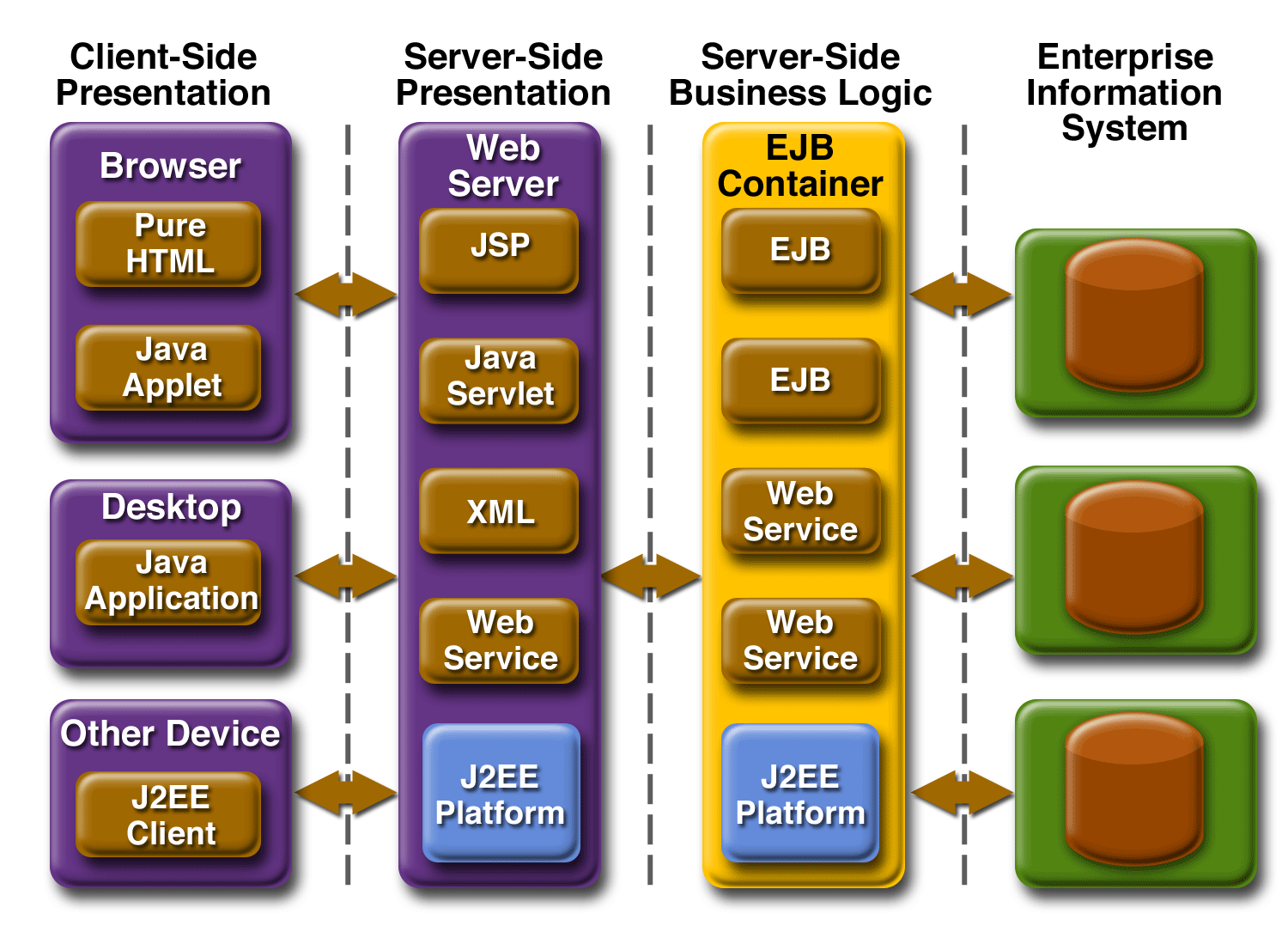
- Java – Understanding enterprise application behavior
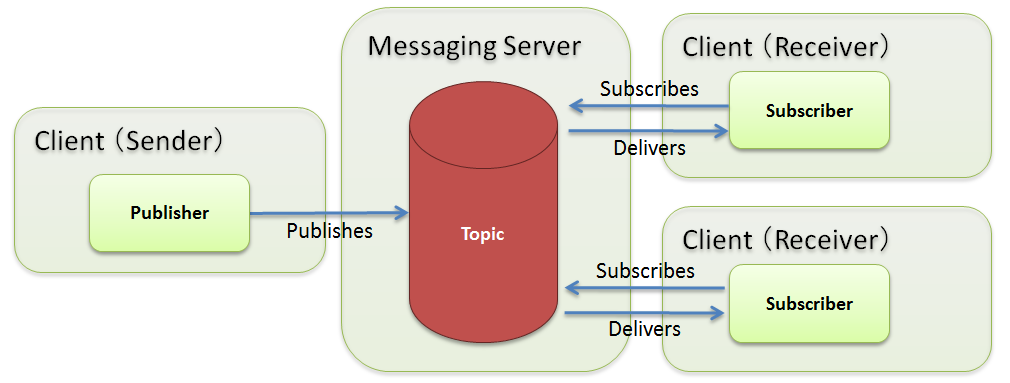
- JMS (Java Message Service) – Messaging and asynchronous processing
- Databases – SQL Server and Oracle
- Application Servers – Apache Tomcat, IBM WebSphere Application Server (WAS)
Operational & Soft Skills
- Guiding customers remotely through multi-server deployments and upgrades
- Strong written and verbal communication
- Structured troubleshooting and case management
- Ability to work independently in a remote, shift-based environment
Associate Operations Engineer vs Traditional Support Roles
| Aspect | Associate Operations Engineer | Traditional Support Engineer |
|---|---|---|
| Scope | End-to-end operations | Issue-based support |
| Customer Interaction | Proactive & reactive | Mostly reactive |
| Engineering Exposure | High | Limited |
| Career Growth | Ops, DevOps, SRE, Product | Support-focused |
This role bridges the gap between support, engineering, and operations, making it an excellent stepping stone toward advanced technical careers.
Career Growth & Learning Opportunities
One of the biggest advantages of the Associate Operations Engineer role is exposure:
- Real enterprise-scale deployments
- Cross-team collaboration with developers
- Performance tuning and system optimization
- Customer-facing problem-solving
Over time, professionals in this role often move into:
- Senior Operations Engineer
- DevOps Engineer
- Site Reliability Engineer (SRE)
- Technical Product Specialist
Work Environment & Expectations

4
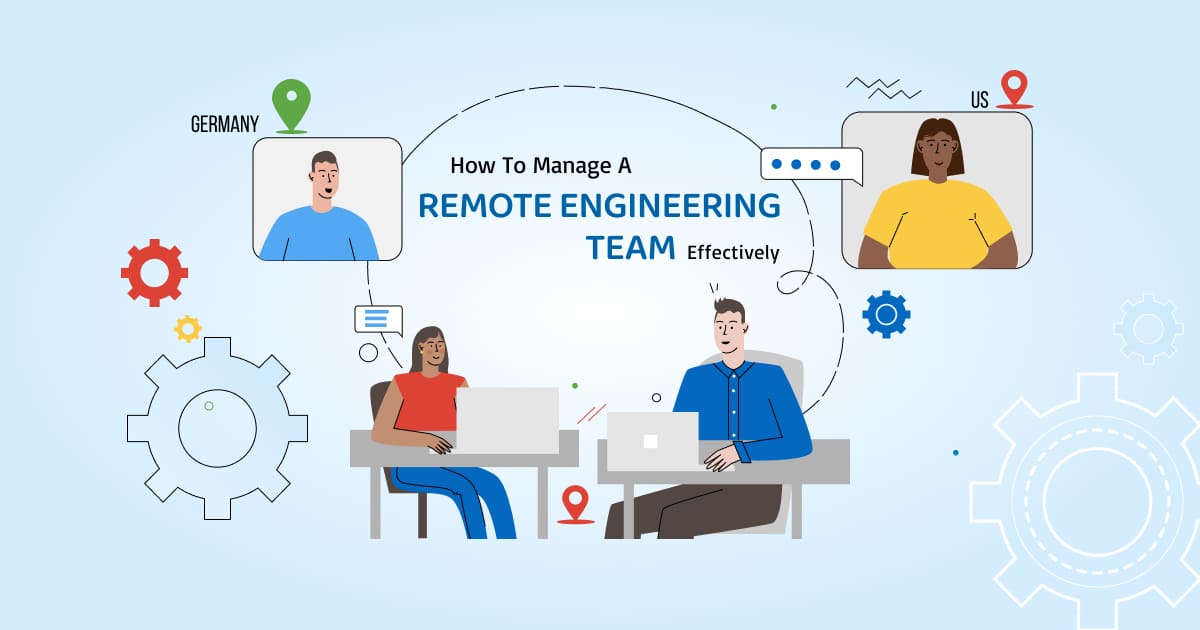
- Remote-first role, offering flexibility
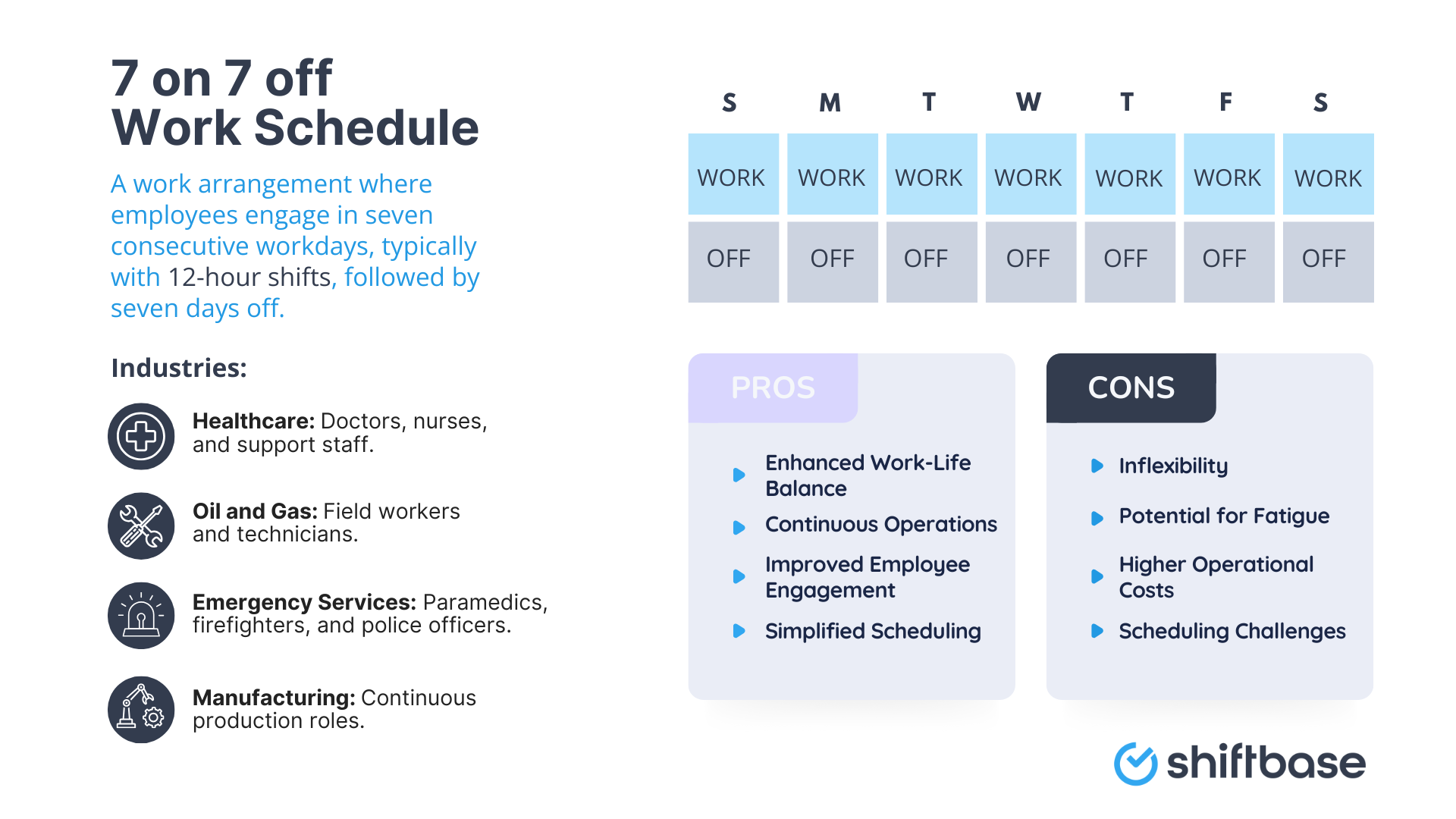
- Shift-based work, ensuring global customer coverage
- Weekend on-call support, based on internal rotation
While demanding at times, this environment helps engineers develop discipline, ownership, and resilience.
Who Should Apply?
This role is ideal if you:
- Have a Computer Science background
- Enjoy solving production-level technical issues
- Like working directly with customers
- Want exposure beyond pure coding or pure support
If you’re early in your career and want to build a strong technical foundation with real-world impact, this role is worth serious consideration.
Final Thoughts: Is Associate Operations Engineer the Right Role for You?
The Associate Operations Engineer position offers a rare combination of technical depth, customer engagement, and operational responsibility. It’s not just about fixing issues—it’s about ensuring enterprise systems perform reliably, scale smoothly, and deliver value to customers.
For engineers looking to grow beyond theory and into hands-on, business-critical systems, this role can be a powerful career accelerator.
📌 Quick Links
Call to Action 🚀
If you found this breakdown helpful, share it with peers exploring IT operations roles or bookmark it for interview preparation. Want insights on similar engineering jobs or career paths? Stay connected and keep learning!